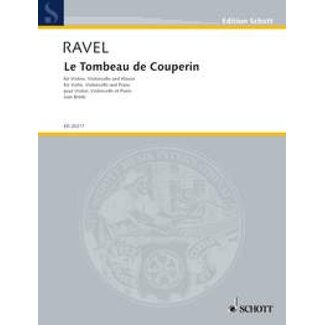
Created during the First World War, Maurice Ravel's composition 'Le Tombeau de Couperin' casts a longing look at the past while at the same time being...More
Created during the First World War, Maurice Ravel's composition 'Le To...
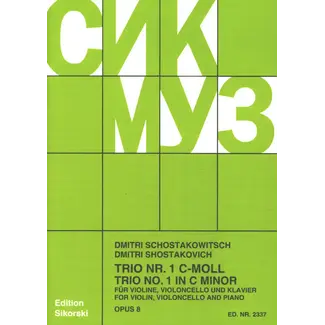
Dimitri Shostakovich composed the Trio No. 1 for violin, violoncello and piano in C minor op. 8 in autumn 1923, while he was still studying at the Pet...More
Dimitri Shostakovich composed the Trio No. 1 for violin, violoncello a...
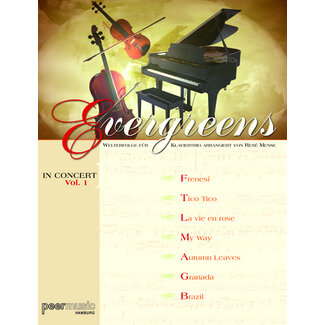
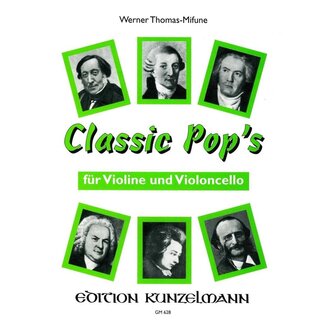
n the past years we find the most popular music in the world. With the input from the chamber music, they were also responsible for arranging the melo...More
n the past years we find the most popular music in the world. With the...
The Piano Trio is the earliest composition here written when he was around 20 and is a three-movement work of great charm, notable though for the unus...More
The Piano Trio is the earliest composition here written when he was ar...
Arensky, born on July 12, 1801, in Novgorod, studied under Johannsen and Rimsky-Korsakov at the St. Petersburg Conservatory. As early as 1883, he beca...More
Arensky, born on July 12, 1801, in Novgorod, studied under Johannsen a...
"The key of C minor lends the entire work a serious and rather subdued character. In all movements, the violin is assigned the leading role, introduci...More
"The key of C minor lends the entire work a serious and rather subdued...
As with all of his mature chamber music works Ravel also emerges as an innovator of traditional forms and techniques in his piano trio, composed in 19...More
As with all of his mature chamber music works Ravel also emerges as an...
Fourteen Little Pictures for piano trio is a set of 14 separate miniatures, stitched together and interwoven to form a single through-composed work, l...More
Fourteen Little Pictures for piano trio is a set of 14 separate miniat...
Oblivion is a 1982 composition by Argentine tango composer and bandoneon player Astor Piazzolla. It appeared in the 1984 Italian film Henry IV but gai...More
Oblivion is a 1982 composition by Argentine tango composer and bandone...
Larcher’s original work for tenor and prepared piano is shaped closely around the text of short poems and fragments collected by the composer. Despi...More
Larcher’s original work for tenor and prepared piano is shaped close...
Klengel’s Children’s Trio Op. 35/2, an "only child" in our catalogue just in 1993, has cheerfully welcomed three new siblings into the family. Two...More
Klengel’s Children’s Trio Op. 35/2, an "only child" in our catalog...
What do Faz?l Say and the extreme sportsman Felix Baumgartner have in common? Space Jump: the spectacular jump from the stratosphere. In this composit...More
What do Faz?l Say and the extreme sportsman Felix Baumgartner have in ...
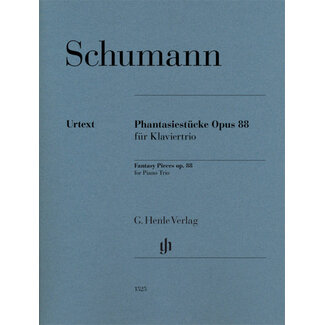
The Fantasy Pieces op. 88 are Schumann’s first contribution to the genre of the piano trio and date from his very prolific “chamber music year” ...More
The Fantasy Pieces op. 88 are Schumann’s first contribution to the g...
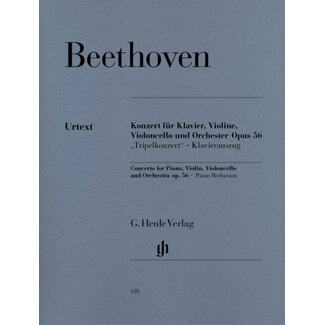
In two private performances for Prince Lobkowitz in the spring of 1804, two new works by Beethoven were played for the first time: his Third Symphony ...More
In two private performances for Prince Lobkowitz in the spring of 1804...
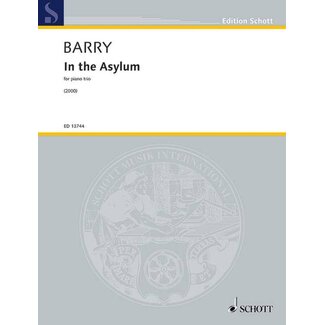
In The Asylum comprises three pieces: The Rung, The Potent Rug, and Wigs of Flanders. At times eerie and unsettling, at times playful, and at others a...More
In The Asylum comprises three pieces: The Rung, The Potent Rug, and Wi...
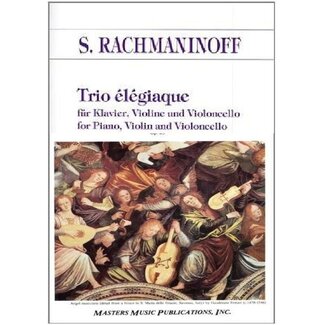
Sergei Rachmaninoff's Trio élégiaque No. 2 in D minor, Op. 9 is a piano trio which he began composing on 25 October 1893 and completed on 15 Decembe...More
Sergei Rachmaninoff's Trio élégiaque No. 2 in D minor, Op. 9 is a pi...
The theme that served as the basis for Weber's present variations (composed in 1804) comes from Abbé Vogler's opera Samori, with whom he was a pupil ...More
The theme that served as the basis for Weber's present variations (com...
This rewarding trio composition traces the ancient Greek myth of Niobe, goddess of fertility, who was turned to stone. The Aria ‘Io son di morte’ ...More
This rewarding trio composition traces the ancient Greek myth of Niobe...
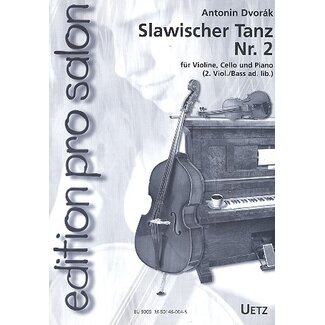
The Slavonic Dances are a collection of 16 instrumental pieces by Antonín Dvořák, composed in 1878 and 1886 and published in two volumes as Opus 46...More
The Slavonic Dances are a collection of 16 instrumental pieces by Anto...
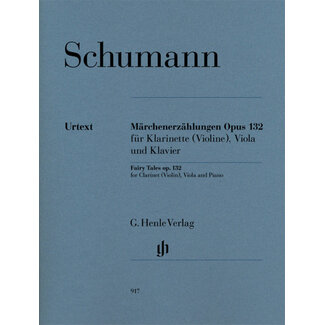
No romantic poetry and no concrete fairytale figure occasioned Schumann to write this composition. Today, we can assume that the title of the pieces, ...More
No romantic poetry and no concrete fairytale figure occasioned Schuman...