

Dvořák heeft ruim dertig jaar aan the genre strijkkwait bijgedragen. Hij is one of the composers who developed their own illustrious work with their oeuvre in a wide range of works. The various phases of their development are based on the Strijkkwartetten Dvořák overview. The back ground has been opened before the afzonderlijke districts.
The large strijkkwartetten:
The core of the oeuvre is a series of workpieces in the two most important works. Bepaald popular is - op zich al ongewoon voor a strijkkwartet - the "Americans" strijkkwartet. This is what is known - with two pentatonic motifs - not characteristic of Dvořák's oeuvre. Vergeleken daarmee zijn - very lesser bekend - the cards with numbers 13 and 14 of which weer verder development geacheveerdheid. For more details, see Overzicht in trefwoorden
It has its own style:
It is a totally different style with two other cards. He has many works destroyed. This also looks like the opus numbering: it had been written in the opus number 23. Later the opus 10 was written and another work was created, which was opus 9.
Dvořák's style of composing has become a personal and experimental recording. The work has been published in a way that includes Liszt of Wagner, also in the other recordings. Here you can see the later "Slavic" coloring, the beginning topic of the first part; the middendeel in 2/4 size of the 3rd part; en de dansante vaart van de finale. He was different in his "empty period" with long lines a la Wagner, with contrasting motifs, in a quick, musical contrast.
Vroege strijkkwartetten and Wagnerinvloed:
Werkzaam as a contralto and the likes of Smetana and in one of the New German Schools (Wagner; Liszt) were born, and Dvořák played in the background as a composer, also in the camera music. Bijna all works from the same period were vernietigd by Dvořák. Ze bestaan uitsluitend als reconstructie vanuit losse overgeleverde partijen.
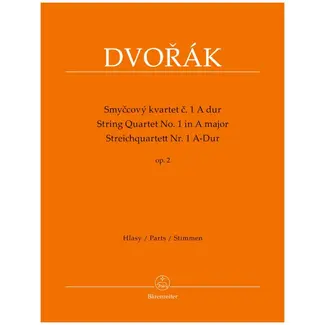
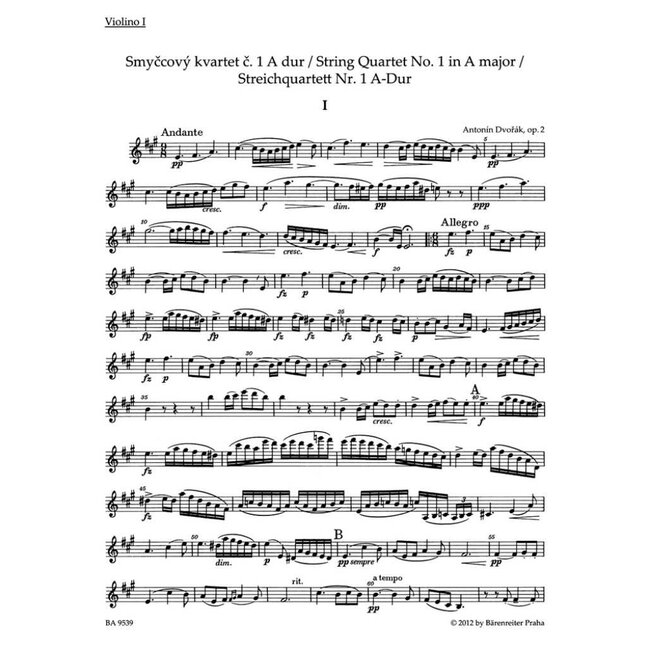
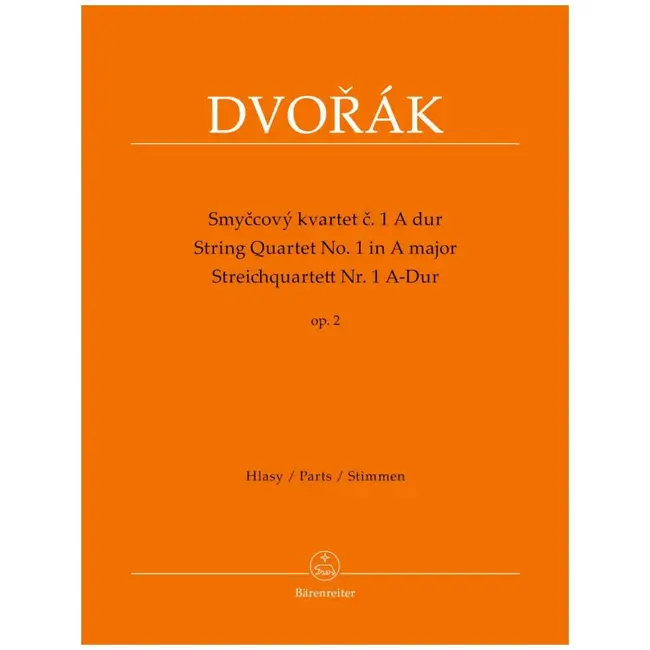
Los hiervan Staat opus 2. This work was completely revised by Dvořák in 26 years. In the first edition, Wagner's grandchildren were invited to experience a musical work that was intended for Schubert's inspirational life. The Dvořák has made vooral door coupures aan te brengen dat work in 1888 more effectively made, toen hij op het hoogtepunt van zijn roem stond.